
How Long Does Window Tint Last in Texas?
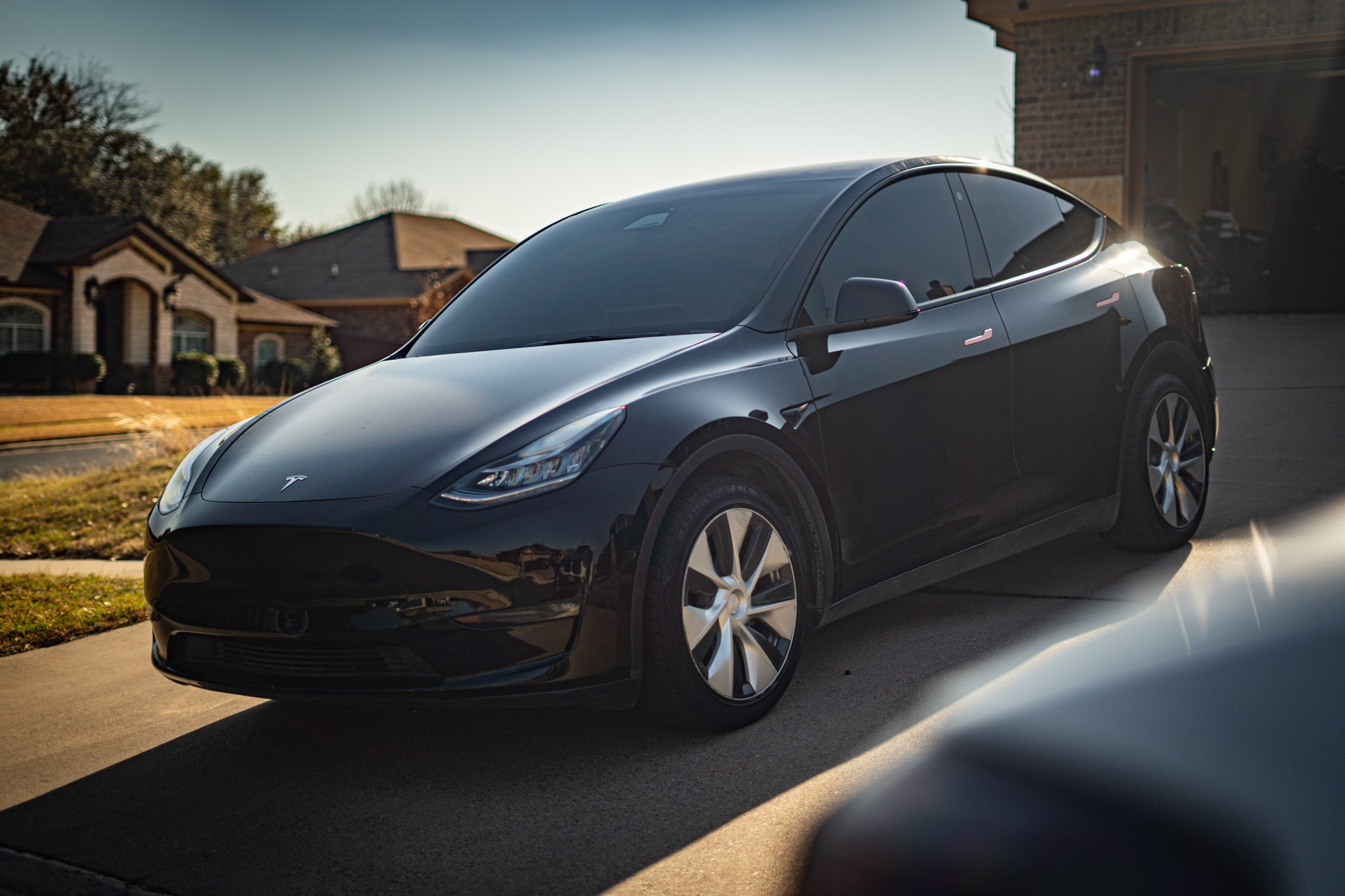
The short answer: it depends heavily on what film was installed. Standard dyed film in the Texas sun is lucky to last five years before it starts to fade, bubble, or shift color. Quality ceramic and carbon film, installed correctly, can last the life of the vehicle. Here's what actually determines lifespan.
Updated April 2026 · Chroma Auto Lab, Killeen TX
Why Texas Is Hard on Window Tint
Two things degrade window tint faster than anything else: UV radiation and heat cycling. Central Texas delivers both in abundance. Killeen and surrounding areas see sustained summer temperatures above 100°F, intense UV index readings for the majority of the year, and very little cloud cover to provide relief.
UV radiation breaks down the dye molecules in standard film, causing the characteristic purple or brown color shift that appears on failing tint. Heat cycling — repeated expansion and contraction as the glass heats and cools — stresses the adhesive layer, eventually causing bubbles and edge peeling.
Premium films are specifically formulated to resist both. The difference in lifespan between a bargain dyed film and a quality ceramic film, in a Texas climate, is measured in years — sometimes a decade or more.
Expected Lifespan by Film Type
| Film Type | Expected Lifespan (TX) | Common Failure Signs |
|---|---|---|
| Budget dyed film | 2–4 years | Purple color shift, early bubbling |
| Standard dyed film | 3–7 years | Fading, eventual edge peel |
| Nano-carbon film (Plus) | 10–15+ years | Minimal — fade-resistant, stable adhesive |
| Nano-ceramic film (Super) | 15+ years / lifetime | Virtually none with proper care |
What to Expect After Installation — The Curing Period
Freshly installed tint goes through a curing period that typically lasts 3–7 days, sometimes up to two weeks in cooler weather. During this time, you may notice small water bubbles or a slight milky haze between the film and glass. This is completely normal — it's residual moisture from the installation process working its way out.
Do not try to press, pop, or squeegee these bubbles. They resolve on their own as the adhesive fully cures. Keep your windows rolled up for at least 3–5 days to let the edges bond properly. Once cured, the film should be crystal clear with no visible bubbles.
When to be concerned: If bubbles or haze persist beyond two weeks, or if you notice peeling edges within the first few months, that's not normal curing behavior — contact us and we'll make it right under warranty.
Signs Your Tint Is Failing
You'll know your tint is degrading before it completely fails. Common signs include:
The dye molecules in standard film break down under UV, causing the film to shift from dark gray/charcoal to a purple or brownish hue. No fix — the film needs to come off.
When adhesive degrades, air and moisture get trapped between the film and glass. Small bubbles grow over time and can't be fixed — removal and reinstallation is the only solution.
Edges are the first place adhesion fails, especially in high-heat climates. Peeling edges allow more moisture in, accelerating the rest of the failure.
Optical clarity degrades as film deteriorates. If visibility through the glass is noticeably worse than when the tint was new, the film is likely past its useful life.
What Extends Tint Lifespan
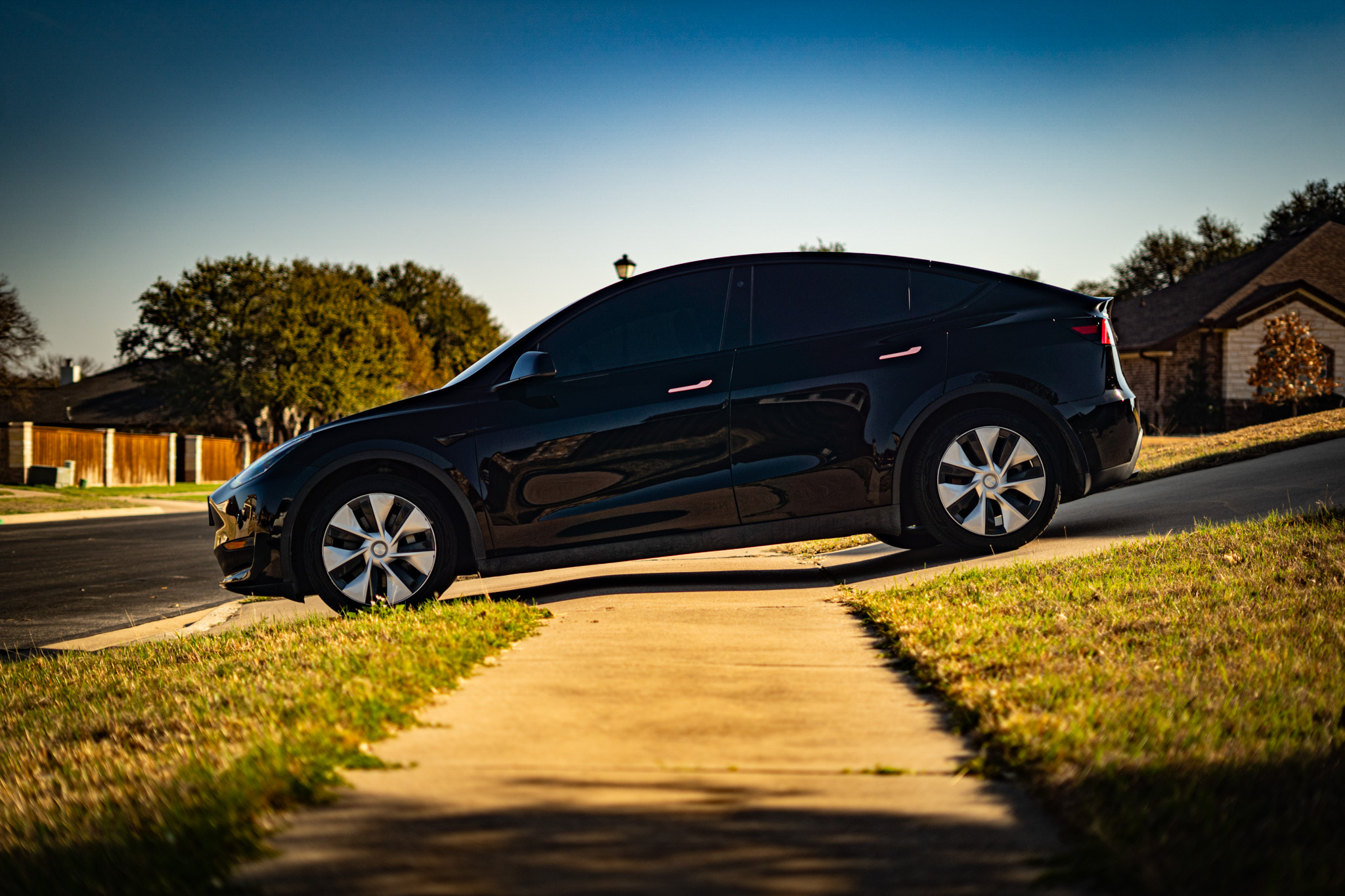
Beyond choosing quality film, a few things extend service life. For a full breakdown, see our window tint care guide.
- →Don't roll windows down for 3–5 days after installation. The adhesive needs time to cure fully. Rolling windows down early stresses the edges and can cause peeling that wouldn't otherwise occur.
- →Use ammonia-free glass cleaner. Ammonia-based cleaners (many household sprays) degrade the film adhesive over time. Use a dedicated automotive glass cleaner or mild soap with a microfiber cloth.
- →Don't use abrasive materials on tinted glass. Steel wool, harsh scrubbers, and squeegees with metal edges will scratch the film surface and compromise clarity.
- →Park in shade when possible. This matters more for dyed film — premium film is UV-resistant by design, but shaded parking still extends the life of any film by reducing cumulative UV exposure.
Frequently Asked Questions
How long does window tint last in Texas?
How do I know if my tint is failing?
Does ceramic tint last longer than dyed tint?
Can you repair failing window tint?
Invest in Film That Lasts
Our Plus and Super installs are backed by a lifetime workmanship warranty. Film that's built for Texas and installed correctly the first time.
Chroma Auto Lab · Killeen, TX · Mon–Sat 9AM–6PM