
Texas Window Tint Laws 2026 — Legal VLT Limits and What You Need to Know
If you're considering window tint in Texas, the most common question is simple: how dark can I go? The answer depends on which window you're talking about. Texas tint law is more flexible in the rear than most people expect — and stricter up front than many shops bother to explain.
Updated April 2026 · By Chroma Auto Lab, Killeen TX
What Is VLT and Why Does It Matter?
VLT stands for Visible Light Transmission — the percentage of visible light that passes through the tint film. The lower the number, the darker the tint.
| VLT % | Appearance | Common use |
|---|---|---|
| 70% | Very light — barely visible | Factory glass baseline |
| 50% | Light tint | UV/heat only, subtle look |
| 35% | Moderately dark | Most popular front-window shade |
| 25% | Dark — Texas legal limit | Darkest allowed on TX front windows |
| 20% | Very dark | Legal on rear windows only in TX |
| 5% | Limo tint — near opaque | Legal on rear in TX, not front |
Note: VLT is measured for the film alone. When combined with factory glass (which has its own VLT), the final installed darkness may differ slightly from the film spec.
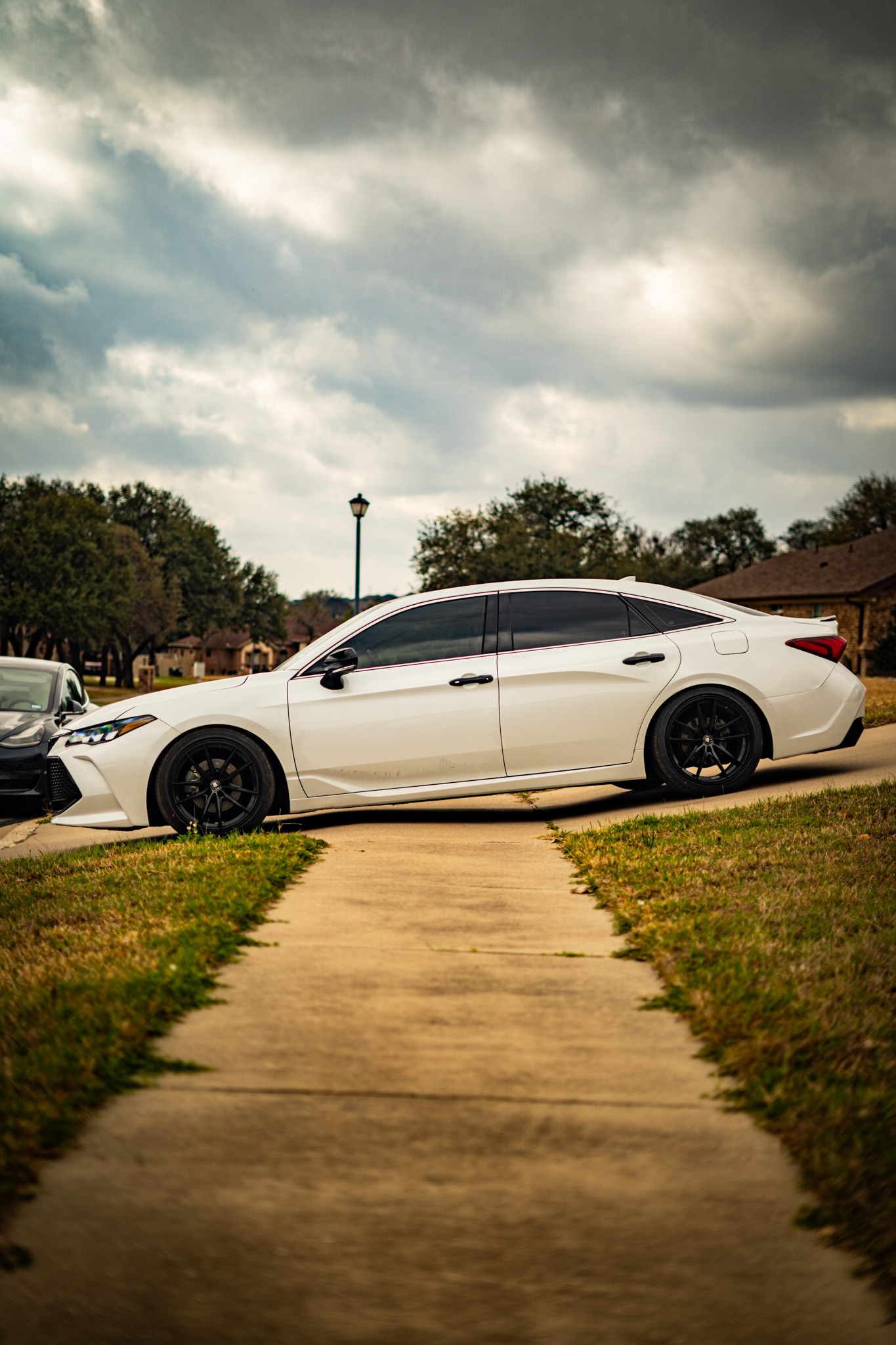
Texas Tint Law — Legal Limits by Window
Non-reflective tint is allowed along the top of the windshield above the AS-1 line — typically the top 4–5 inches. Full windshield tinting below that line is not legal for standard passenger vehicles in Texas.
Texas law requires that front side windows allow at least 25% of visible light through. That means 25% VLT is the darkest you can legally go. 20% or darker on front side windows is not legal and will get you a fix-it ticket.
Texas places no VLT restriction on rear side windows. You can go as dark as you want — 5% limo tint included — as long as you have dual outside mirrors if the back window is also tinted.
No VLT limit on the rear window. Any shade is legal. If the back window is tinted to the point it limits rearward visibility, Texas requires dual outside rearview mirrors — but most vehicles have these already.
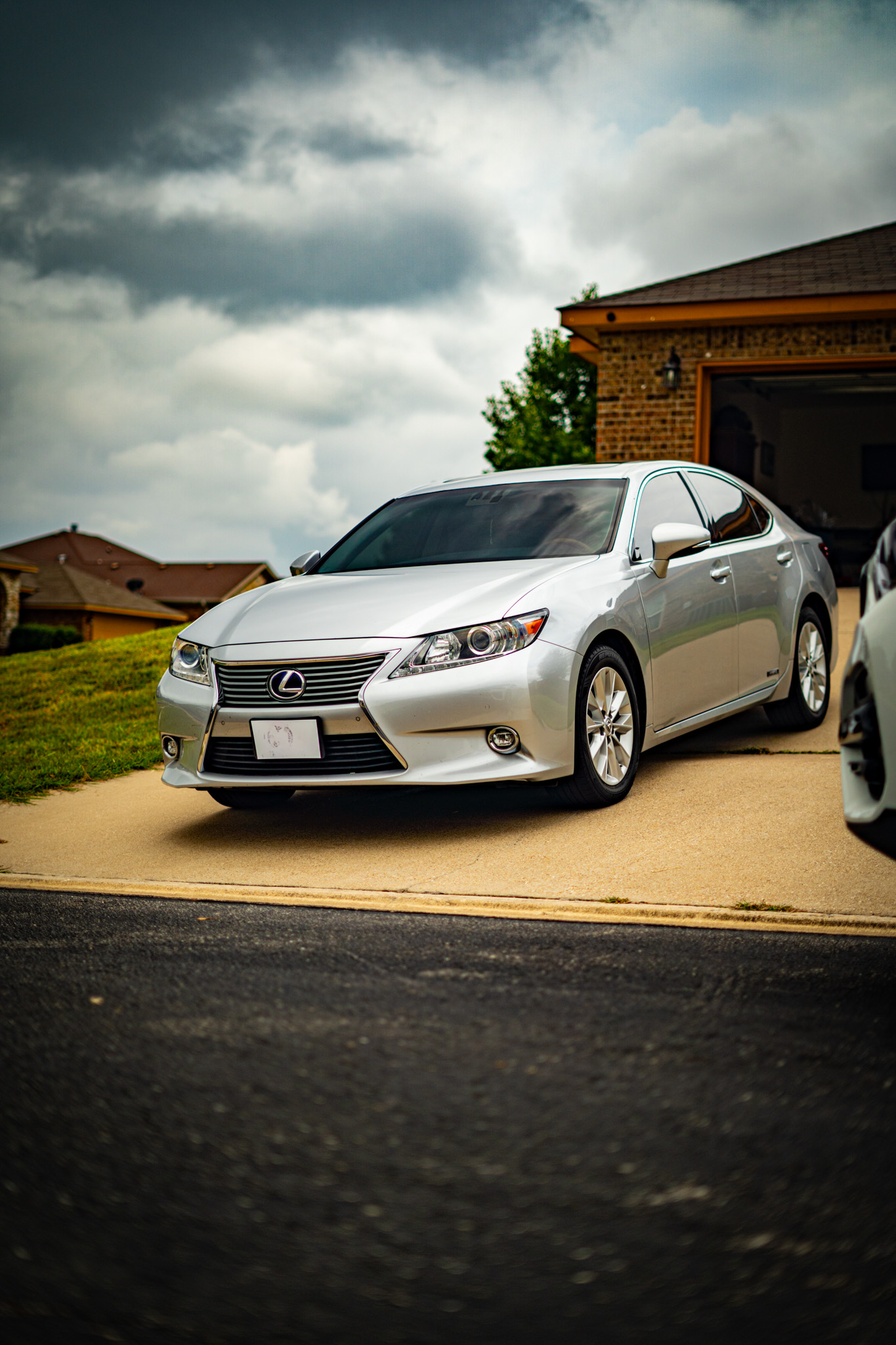
Reflectivity Rules
Beyond darkness, Texas also regulates how reflective window tint can be. Metallic and mirrored films that create a chrome-like appearance can blind other drivers — and Texas restricts them.
- • Front side windows: must not be more than 25% reflective
- • Rear side windows: must not be more than 25% reflective
- • Windshield: non-reflective tint only
Standard dyed, carbon, and ceramic films from reputable manufacturers are all within reflectivity limits. Mirrored or chrome films sold online often are not — and they're a common source of inspection failures.
Tint Color Restrictions
Texas prohibits certain tint colors that could interfere with traffic signal visibility or emergency communication. The restricted colors are:
- • Red tint — not permitted
- • Amber tint — not permitted
- • Blue tint — not permitted
In practice, virtually all quality automotive window films are neutral in color — charcoal, gray, or slightly blue-gray. This restriction mainly applies to colored novelty films that nobody should be putting on a vehicle anyway.
Medical Exemptions
Texas allows medical exemptions for darker front window tint when a physician certifies that the person has a medical condition requiring increased UV protection or light sensitivity protection. Conditions that may qualify include lupus, photosensitivity disorders, and certain skin conditions.
If you believe you qualify, your physician must complete a form stating the medical necessity. The document must be kept in the vehicle at all times. Contact the Texas Department of Public Safety for the current exemption process and form requirements.
How Tint Is Enforced in Texas
Texas does not mandate a tint inspection sticker program the way some states do. Enforcement is officer-discretion — meaning an officer can stop a vehicle if the tint appears too dark, measure it with a light meter, and issue a fix-it ticket if it's out of compliance.
A fix-it ticket gives you time to correct the violation — in this case, removing the non-compliant tint — and show proof of correction to avoid a fine. In practice, front windows darker than 25% VLT are the primary trigger. Rear windows are rarely scrutinized.
The practical takeaway: go as dark as you want on rear and side rear windows, and stay at or above 25% on the fronts. If you choose to go darker than the legal limit on any window, understand that you are assuming that risk — enforcement is real, and a fix-it ticket means removing the tint.
What This Means for Killeen and Central Texas Drivers
The most common setup we see in Killeen and Harker Heights is 25–35% VLT on front side windows and 20–5% on rear and back windows. That combination gives you solid privacy and heat rejection throughout the vehicle while keeping the front windows in legal territory.
For heat rejection specifically — which matters a lot in Central Texas summers — the VLT you choose is only half the equation. The film type matters more. A 35% ceramic film will reject significantly more infrared heat than a 25% dyed film, while still being lighter in appearance. That's why we never tell customers to just "go darker" if their real goal is staying cool.
At Chroma, every appointment starts with a consult. We'll walk through your options, show you sample shades, and tell you exactly what's legal and what performs best for your specific vehicle and driving habits.
Texas Tint Law — Quick Reference
| Window | VLT Limit | Reflectivity Limit |
|---|---|---|
| Windshield | Visor strip above AS-1 line only | Non-reflective only |
| Front side windows | 25% VLT minimum | Max 25% reflective |
| Rear side windows | No restriction | Max 25% reflective |
| Rear window | No restriction | No restriction |
Source: Texas Transportation Code § 547.613
The information on this page is provided for general reference only and may not reflect the most current legal requirements. Laws can change — always verify current regulations with the Texas Department of Public Safety or a qualified legal professional before making decisions. Chroma Auto Lab is not responsible for any inaccuracies or reliance on this content.
Frequently Asked Questions
What is the legal window tint limit in Texas?
Is 20% tint legal in Texas?
Can you tint your windshield in Texas?
Do you need dual side mirrors with dark rear tint in Texas?
What does VLT mean in window tint?
Not Sure What Shade to Choose?
We'll recommend the right tint for Texas law and your vehicle — no guesswork. Every appointment starts with a consult before any film goes on.
Chroma Auto Lab · Killeen, TX · Mon–Sat 9AM–6PM